Silent Swap Malware: New Crypto Clipper Steals Wallets
Digital money has changed the way people save, spend, and send value across the country. Along with this growth comes a new wave of threats designed to quietly take advantage of everyday habits. One of the most talked about threats right now is called Silent Swap malware, a form of crypto clipper malware that has been catching people off guard in a very simple but damaging way.
This guide explains what Silent Swap is, how it operates, who it affects, and the practical steps anyone can take to stay protected. The goal here is clarity and honesty, written in plain language so that both beginners and experienced crypto users can understand exactly what is happening and what to do about it.
What Is Silent Swap Malware
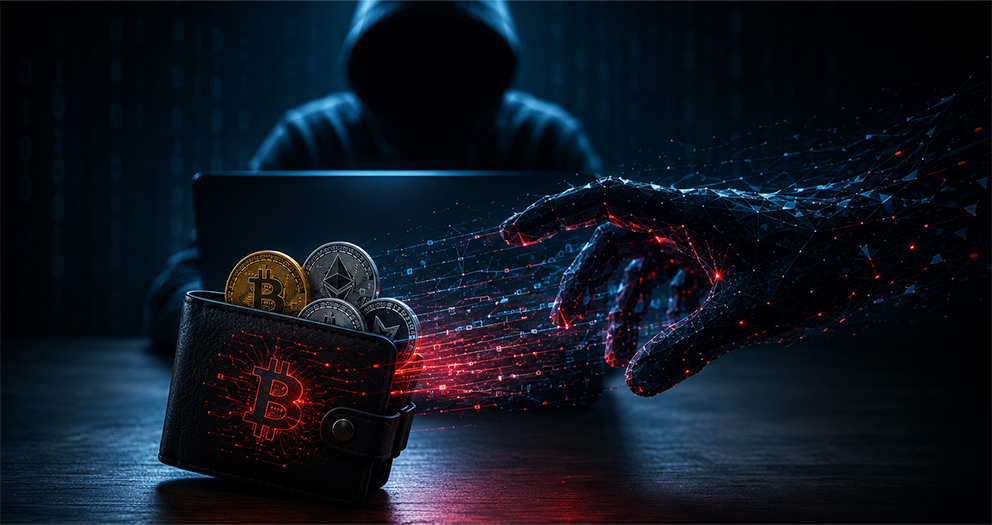
Silent Swap malware is a newly identified threat that targets people who copy and paste cryptocurrency wallet addresses during transactions. Instead of stealing passwords or breaking into an exchange account, this malware works in a much quieter and more personal way. It waits patiently in the background of a browser, watching for the moment someone copies a wallet address, and then replaces that address with one controlled by the attacker.
Because the swap happens almost instantly and the replacement address often looks similar in length and format, the change can go unnoticed. Once the transaction is confirmed on the blockchain, it generally cannot be reversed, which makes early awareness the most valuable form of protection.
Why This Threat Is Getting So Much Attention
Security researchers describe Silent Swap as a more advanced version of older clipboard hijacker tools. Earlier versions of this kind of malware simply stored one fixed wallet address and swapped it in every time. Silent Swap works differently. It connects to a remote server controlled by the attacker and pulls in a fresh destination address in real time, depending on which type of cryptocurrency was copied. This approach makes the threat harder to predict and harder to block using older detection methods.
How Silent Swap Spreads Through a Fake Browser Extension
One of the most important things to understand about this threat is how it enters a device in the first place. Silent Swap does not usually arrive through obvious warning signs. It is often bundled inside software installers that look ordinary and useful.
The Disguise Behind the Attack
The malware has been found hiding inside a fake browser extension that presents itself as a simple note taking tool. On the surface, it looks harmless. It may even open a basic working interface so that anyone who clicks on it sees exactly what they expect to see, a plain notes application with nothing unusual about it.
Behind that friendly appearance, hidden background scripts quietly monitor clipboard activity. This is a strong reminder that appearances alone are not enough to judge whether a browser extension is safe.
Chromium Based Browsers Are the Primary Target
This threat has been found affecting Chromium based browsers, which include several of the most widely used browsers in the country. When an installer linked to this campaign runs, it can modify protected browser settings files and then recalculate internal verification values so the browser accepts the changes as legitimate. This technical step is what allows the fake extension to blend in rather than trigger obvious security warnings.
Why Developer Mode Matters
On newer versions of some browsers, the malicious extension needs Developer Mode turned on before it becomes fully active. This setting is normally meant for people building or testing software, not everyday browsing. Attackers have been known to use simple, convincing messages to guide unsuspecting users into turning this setting on themselves, which is why understanding this detail is so important for everyday safety.
A Simple Way to Picture It
Think of it like handing someone a sealed envelope to mail for a friend, only for that envelope to be quietly opened, the address changed, and resealed before it ever reaches the mailbox. The sender never notices the switch until it is far too late.
Who Has Been Affected So Far
Reports connected to this campaign show that infections have appeared across multiple regions, with a noticeable concentration in certain areas outside the country as well. While the exact number of victims and total financial losses have not been fully disclosed, researchers agree that the technique used here represents a meaningful shift in how cryptocurrency clipboard hijacker tools are built and deployed.
A Pattern Connected to Earlier Threats
Investigators have also noted overlapping patterns between Silent Swap and an earlier malware loader used in previous campaigns. This suggests that the same group behind past incidents may be responsible for refining and relaunching this newer, more capable version. Recognizing this pattern helps explain why the malware feels more polished and harder to detect compared to earlier clipboard based threats.
Understanding the Coins and Wallets at Risk
Silent Swap has been designed to recognize several major types of cryptocurrency addresses, which means it is not limited to just one coin. When someone copies an address that matches a recognizable pattern, the malware checks it against the type of currency involved and requests a matching fraudulent address from its remote server.
Bitcoin and the Clipboard Connection
A Bitcoin clipboard hijacker style attack like this one relies on the fact that Bitcoin addresses are long strings of letters and numbers that most people do not memorize or double check character by character. This habit, while completely understandable, is exactly what this type of malware depends on.
XRP and Other Digital Assets
Beyond Bitcoin, this threat has also been linked to targeting XRP wallet theft malware style behavior, along with other popular digital assets. This wider targeting shows that the attackers behind Silent Swap are not focused on a single audience but are instead casting a broad net across the crypto community.
Why This Matters for Everyday Users
It is easy to assume that only large investors or businesses need to worry about threats like this, but that is simply not accurate. Anyone who buys, sells, or transfers digital currency using a browser is a potential target. The good news is that awareness alone goes a long way toward prevention, and small daily habits can make a meaningful difference.
The Power of a Simple Habit
One of the most effective and easiest defenses against this entire category of malware is a habit that takes only a few extra seconds. Before confirming any cryptocurrency transaction, take a moment to compare the address that was pasted against the address that was originally copied. Checking the first several characters and the last several characters is often enough to catch a swap before it becomes permanent.
Practical Steps to Stay Protected
The following steps are written in simple terms so they can be followed by anyone, regardless of technical background.
Review Every Browser Extension You Have Installed
Take a few minutes to look through the list of extensions currently active in your browser. If there is anything unfamiliar, unused, or downloaded from an unclear source, consider removing it. A clean, minimal extension list is much easier to monitor and trust.
Be Cautious With Developer Mode
Unless there is a clear and specific reason to enable Developer Mode, such as active software testing, this setting is best left turned off. If a website or download prompt suggests turning it on for an unrelated reason, treat that as a signal to pause and reconsider.
Download Software From Trusted Sources Only
Many threats like this one arrive through installers found outside of well known, established download channels. Choosing trusted sources whenever possible reduces the chances of encountering hidden malicious code bundled with otherwise normal looking software.
Use Hardware Wallets for Larger Transfers
A hardware wallet typically displays the destination address directly on its own screen, separate from the computer or browser. This extra step makes it far more difficult for a clipboard based swap to go unnoticed, since the address can be visually confirmed on a device the malware cannot easily influence.
Keep Security Software Updated
Regular updates to antivirus tools and browser software help ensure that known threats, including newer clipper style malware, are recognized and blocked more effectively. Update notifications should not be ignored, since they often include protections against the very techniques described in this guide.
Slow Down Before Every Transaction
Perhaps the simplest and most valuable habit of all is patience. Cryptocurrency transactions move quickly and cannot usually be undone once confirmed. Taking a short pause to manually verify the pasted address before hitting confirm can prevent significant financial loss.
A Broader Look at Digital Safety Habits
Threats like Silent Swap are a reminder that cybersecurity is not only about firewalls and antivirus software. It is also about the small, automatic actions people take every single day. Copying and pasting an address feels routine, almost invisible, which is exactly why attackers have chosen to target that exact moment.
Building awareness around these small digital habits creates a stronger, more resilient approach to online safety overall. The more people understand how these tools work, the harder it becomes for attackers to succeed.
Encouraging a Culture of Verification
Communities built around cryptocurrency, technology, and personal finance can play a meaningful role in spreading awareness about threats like this one. Sharing accurate, clear information helps others recognize warning signs early, rather than learning about them only after experiencing a loss.
Looking Ahead With Confidence
While threats like Silent Swap highlight real risks, they also come with a clear and encouraging message. Simple, consistent habits, such as checking wallet addresses carefully and reviewing browser extensions regularly, remain highly effective tools for protection. Staying informed is one of the most powerful steps anyone can take toward a safer digital experience.
Final Thoughts
Silent Swap malware represents a more advanced chapter in the story of crypto clipper malware, but it does not have to be an overwhelming one. With a clear understanding of how the threat works, combined with a few simple daily habits, individuals can continue to use digital currency with confidence. Awareness, patience, and a habit of double checking every wallet address before confirming a transaction remain some of the strongest defenses available today.
Staying informed about emerging threats like this one is an ongoing process, not a one time task. As technology continues to evolve, so will the methods used to protect it, and every small step taken today helps build a safer path forward for everyone participating in the digital economy.